

Stress-free relocation with cats
Price Calculator
Price Calculator
A few steps to your personal price
Step 1 of 3
- Route
- Size
- Contact
Where is your move going?
Enter the loading and unloading address — we calculate the route for your move.
- Truck
- Container
- Plane
Non-binding and free — a survey only comes if you want one.
How to help your cat settle into their new home
A new home means not only settling in for us, but also for our beloved four-legged friends. Relocating with cats brings with it a number of challenges that need to be overcome.
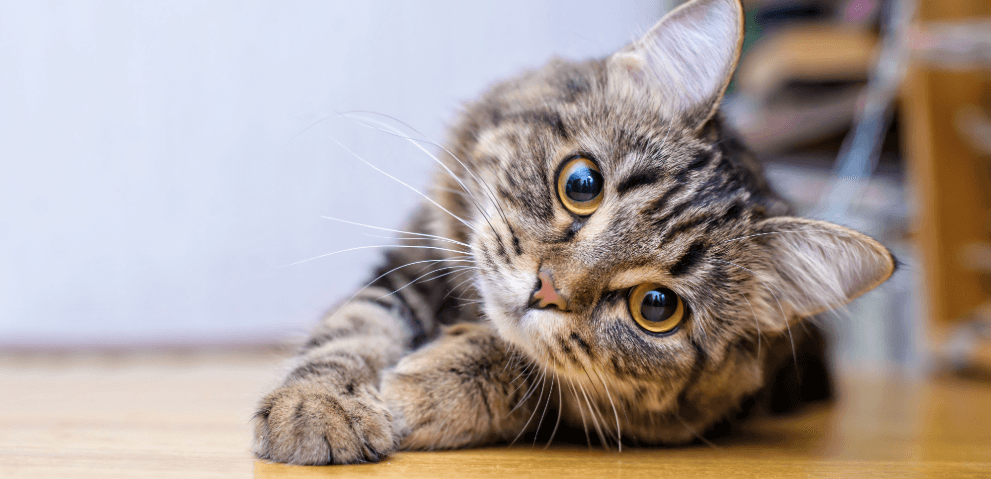
Relocating with a cat
When moving with cats, it is important to note that cats are very loyal to their territory and are reluctant to leave their familiar surroundings. Moving house causes cats enormous uncertainty and requires an intensive settling-in period. It is therefore important to take particular care when moving with cats in order to make the transition as stress-free as possible for them.
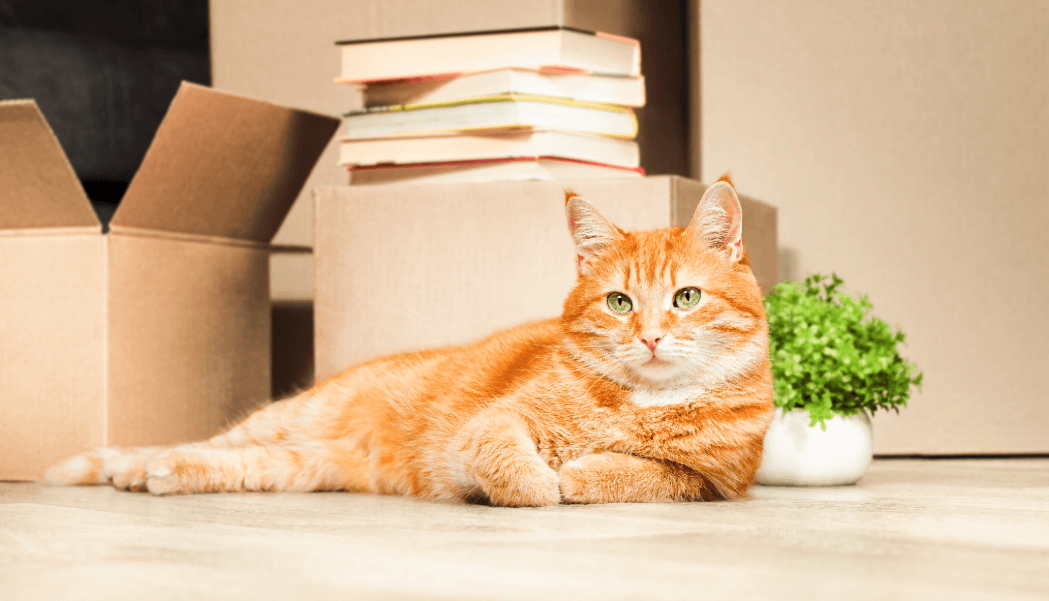
What you need to bear in mind
If you have ever moved house, you know how stressful it can be: all your belongings are cleared out and packed away, and nothing is in its usual place anymore. Many confident cats take a curious interest in the moving process, as if they want to help.
However, moving house with cats can be stressful for sensitive or anxious animals: familiar objects disappear, the home changes daily, people are stressed, and no one has time to play and cuddle. For many cats, an apartment where a move is taking place is a crisis zone. Take precautions in good time before your cat panics or increases the chaos through uncleanliness and aggression.
How to prepare your cat for its new environment
By following the points below, you can make the move as stress-free as possible for your cat.
- 1
Fasting day
On moving day, the cat should only be fed sparingly to avoid stomach problems caused by excitement. However, this does not apply to very long journeys.
- 2
First time in the apartment
Pick up your cat personally from its temporary accommodation and explore the new apartment together.
- 3
Calmness and patience
Especially after long car journeys or flights, when there are many miles between your old and new homes, first set up a retreat for your cat in a room that has already been furnished so that it can acclimatize.
- 4
Familiar inventory
Ensure that all of the cat's belongings are moved with you. Moving house is not the right time to replace your cat's equipment. Cats need familiar objects and smells.
- 5
Furnishings
Arrange the furniture as similarly as possible to how it was in the old apartment to give the cat familiar points of reference for orientation.
- 6
Society
Leave the cat alone as little as possible during the first few days after the move. Cuddle and play with it a lot, even if you don't have much time.
- 7
Build up stocks
Make sure that everything is ready and waiting at the cat's new home, such as food and cat litter, in case there is not enough time for shopping in the first few days. In addition, the feeding area and litter box should be set up and their position should not be changed, as repeated changes can cause the cat to feel insecure.
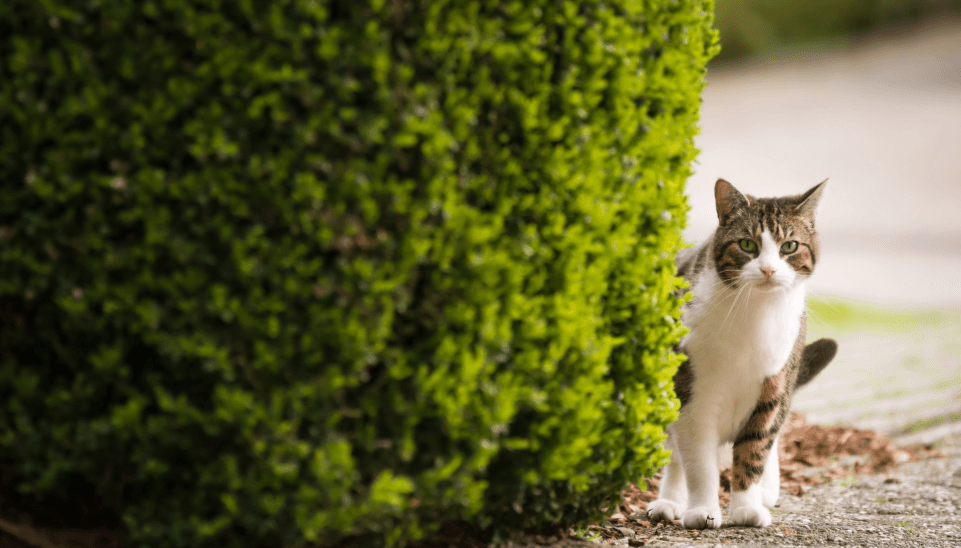
Special situation: Moving with an outdoor cat
Unlike indoor cats, outdoor cats spend a lot of time outside and are therefore more difficult to get used to their new home. Moving with outdoor cats requires special precautions to ensure that your cat adapts quickly and safely to its new environment and does not try to return to its old home.
Cat owners who have moved within the local area often report that their outdoor cats stubbornly try to return to their old home. It is particularly difficult if the move was only a few streets or kilometers away, as the outdoor cat is already familiar with the terrain. In such cases, it is difficult for the cat to understand that it now belongs in a new home. The cat's motivation is clear: it wants to continue to control and patrol its former territory, including the old house, to prevent another cat from taking it over. It is therefore important to initially deny outdoor cats access to the outdoors for a while after moving. This helps them to get used to their new home and accept it as their new territory.
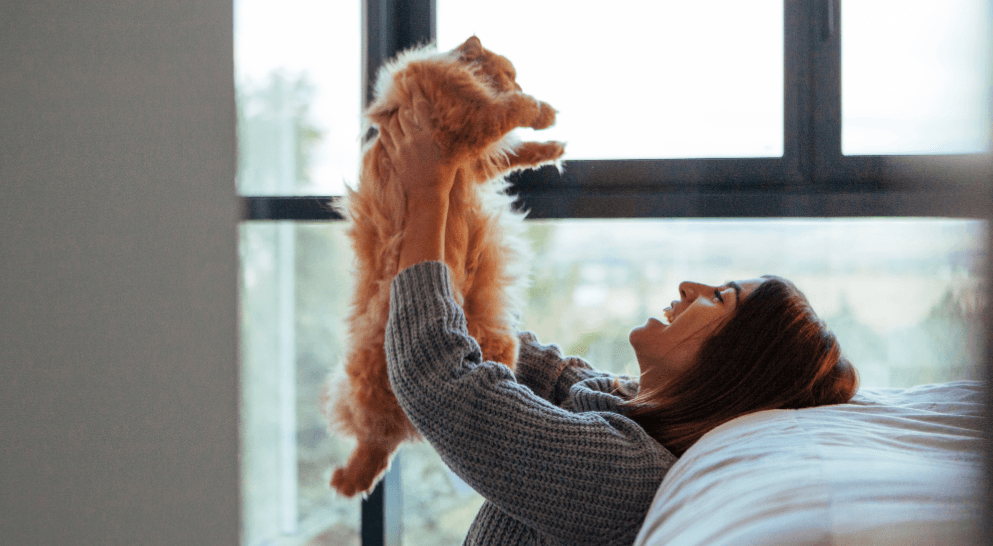
Relocating with outdoor cats: Important tips for settling in
Outdoor cats should stay in their new home for at least four weeks to familiarize themselves with their new territory. Ideally, you should get your cat used to wearing a harness and explore the neighborhood together. When your cat is allowed outside on its own again, change its feeding time to coincide with its return so that it associates its new home with being fed. Limit the time they spend outside and keep their microchip or tattoo registration up to date with your new address. If your new living situation no longer allows your cat to go outside, make sure they get enough exercise by providing them with plenty of activities, even if you have to expect some protest.
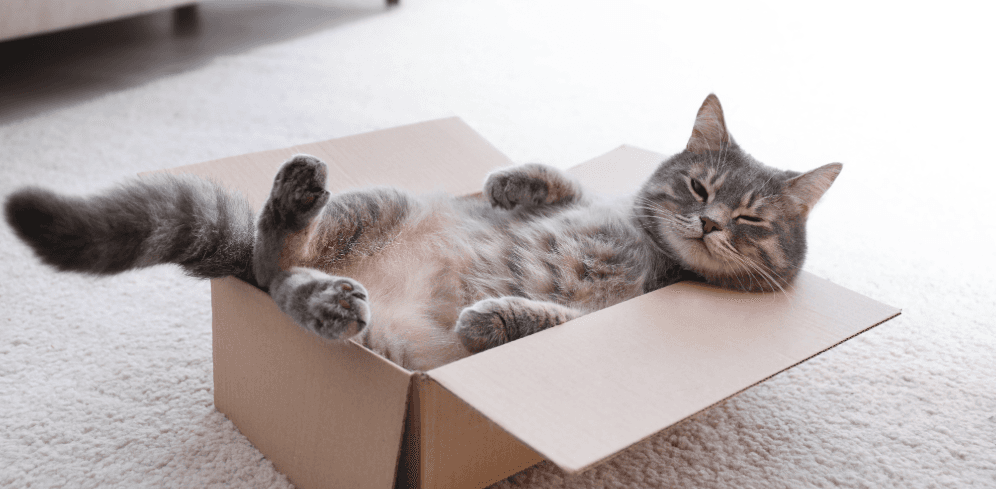
Bonus tip
Once you have finished furnishing your new apartment or house and all the furniture and furnishings are in place, don't throw away all the boxes. Trust us, your cat will love playing with the boxes and sleeping in them for a few days after the move is complete.
Need to relocate with your cat?
If you want to relocate with your cat but still need a suitable moving company, you can calculate your individual price for your move in seconds. We will then contact you and do our best to accommodate all your wishes.
Discover our moving guides – your guide to a smooth relocation!
Our extensive collection of moving guides contains valuable tips and answers to your questions. This will ensure you are well prepared! If anything remains unclear, we are always happy to assist you.
Savings tips

Nothing is better or more convenient during a move than professional support backed by decades of experience. With a professional move, every step is handled with precision and the whole process moves faster across the loading stage. For anyone looking to save on moving costs, here are a few tips:
FAQ

We have summarised the most frequently asked questions about the move for you.
Setting up mail forwarding after a move

Moving is an exciting but also stressful time. In addition to packing and organizing, there are many things to consider, including having your mail forwarded to your new address. Setting up mail forwarding can help ensure that you don’t miss any important mail after you move. In this article, you’ll learn how to set up mail forwarding and what steps you should follow.